Maintaining a beautiful asphalt driveway requires more than just occasional cleaning; it requires a strategic protection plan. We understand that your home’s curb appeal and the longevity of your pavement depend on a consistent maintenance schedule. Sealcoating acts as a vital shield, but knowing exactly when to apply it is the key to maximizing your investment. Without this protective barrier, the sun's harsh UV rays can oxidize the binder that holds your asphalt together, causing it to become brittle and prone to cracking. By implementing a proactive sealing schedule, you effectively "lock in" the pavement's flexibility and maintain that rich, jet-black finish that significantly boosts your property's value.
How Often Should You Sealcoat Your Driveway?
How Often Should You Sealcoat Your Driveway?
The Initial Curing Period for New Asphalt
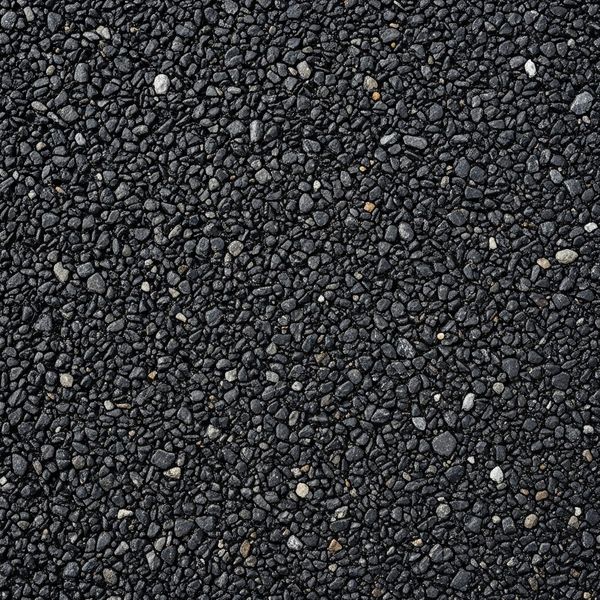
When you first install a new asphalt surface, it is essential to let it properly cure before applying any sealant. We recommend waiting at least six to twelve months to allow the oils to stabilize and the surface to harden. Applying sealer too early can trap moisture, leading to a soft surface that is prone to scuffing. This crucial waiting period allows the light oils used during the mixing process to evaporate, ensuring that the asphalt reaches its maximum structural density and hardness. If you seal the surface prematurely, you risk creating a chemical imbalance that can prevent the sealer from bonding correctly, often resulting in a finish that peels or flakes away within just a few months.
The Standard Two to Three Year Cycle
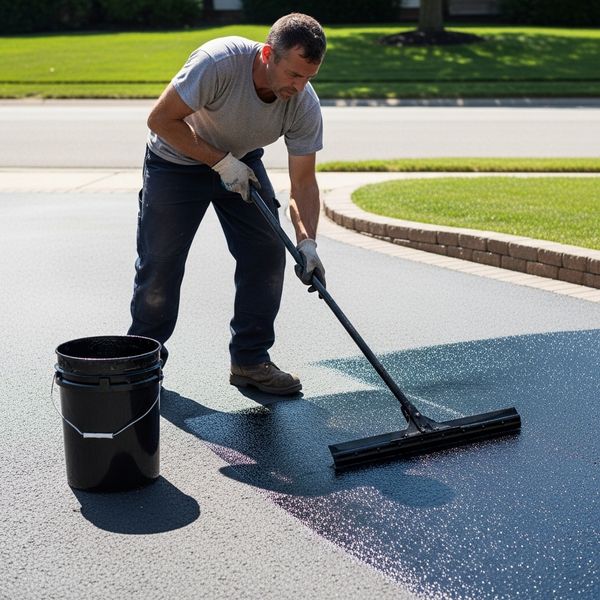
For most residential properties in our region, we suggest a refresh every two to three years to maintain optimal protection. This frequency ensures that the binder remains flexible and the surface stays resilient against daily wear. Regular best residential driveway seal coating prevents the asphalt from becoming brittle, which is the primary cause of unsightly surface cracks and expensive long-term damage. By adhering to this consistent timeframe, you create an impenetrable barrier against oil, gasoline, and other harsh chemicals that can otherwise dissolve the asphalt's binder on contact. This proactive maintenance cycle not only preserves the deep, professional look of your driveway but also saves you from the massive capital expense of a full-depth replacement later on.
Accounting for Tennessee Weather and Usage
Our local climate, characterized by humid summers and fluctuating winter temperatures, can accelerate the oxidation process of your pavement. We often see driveways that receive heavy direct sunlight or high traffic volumes require more frequent attention than those in shaded, low-use areas. Adjusting your maintenance plan for these environmental stressors is a core part of our approach. The intense humidity in East Tennessee can trap moisture in the tiniest surface pores, while our winter freeze-thaw cycles put immense pressure on any unprotected gaps. By tailoring your sealcoating schedule to these specific regional conditions, you ensure that your asphalt doesn't fall victim to the premature "graying" and erosion that often plague neglected properties in our area.
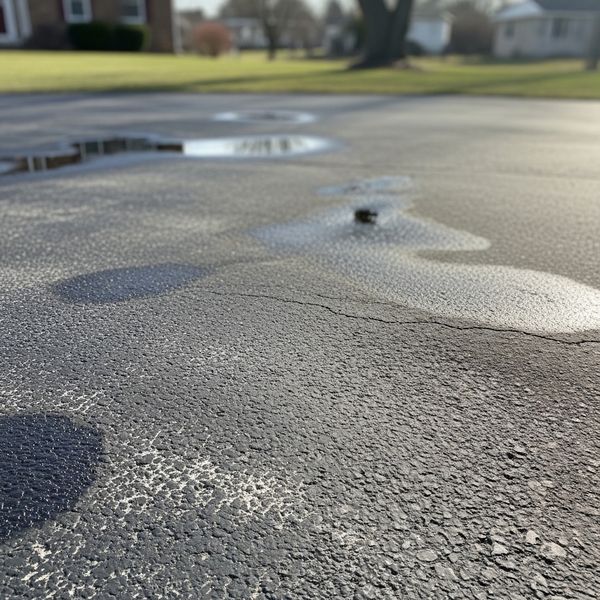
Identifying Visual Signs of Deterioration
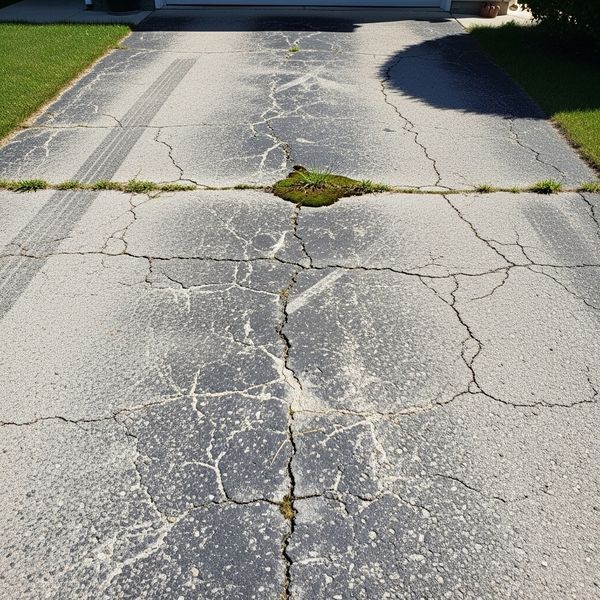
You can often tell it is time for service by observing how your pavement reacts to the elements. If your once-black driveway has faded to a dull gray or if water no longer beads on the surface, the protective layer has likely worn away. We encourage homeowners to look for these early warning signs to prevent moisture from reaching the sub-base. Another key indicator is the appearance of "fines," or small loose pebbles, which suggests the asphalt binder is deteriorating and losing its ability to hold the aggregate together. If you notice thin hairline cracks beginning to spiderweb across the surface, it is a clear signal that the asphalt is losing its flexibility and requires an immediate protective seal to prevent further structural failure.
Contact us today
Regularly scheduled maintenance is the most effective way to protect your asphalt and keep your property looking its best year-round. At Bracken Paving, we take pride in helping our neighbors preserve their driveways with professional techniques tailored to the unique needs of Tennessee homeowners. We invite you to reach out to us for a free surface evaluation or to schedule your next service. Would you like us to provide a customized maintenance quote for your home or help you identify current pavement issues?