Winter in the Tri-City area and Southwestern Virginia can be unforgiving on paved surfaces. The constant freeze-thaw cycles create a battleground for your asphalt, turning minor issues into major liabilities overnight. At Bracken Paving, we know that spotting these warning signs early is the key to protecting your investment. Before the temperatures plummet, take a closer look at your driveway to ensure it has the resilience to withstand the coming season.
Five Signs Your Driveway Won't Survive Another Winter
Five Signs Your Driveway Won't Survive Another Winter
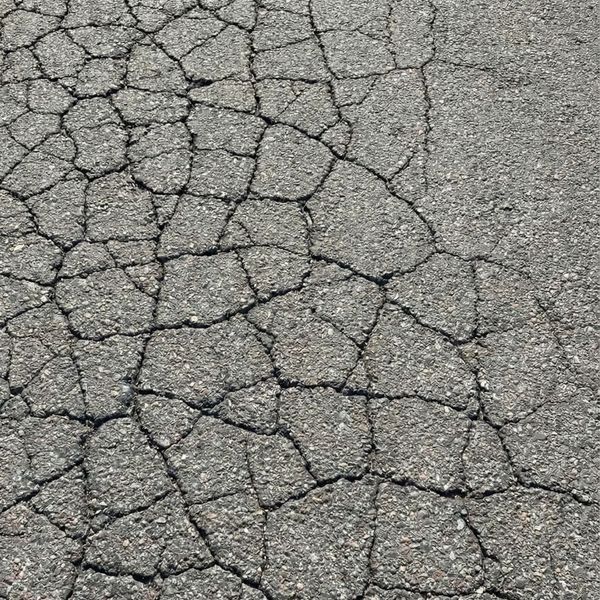
Alligator Cracking Spreading Across the Surface
If your driveway looks like the back of a reptile, you are dealing with alligator cracking. This interconnected series of cracks indicates that the sub-base is failing, and it provides a direct path for water to seep underneath. When that trapped water freezes, it expands, shattering the remaining asphalt maintenance efforts you might have made. Addressing these cracks now prevents them from turning into large craters by spring.
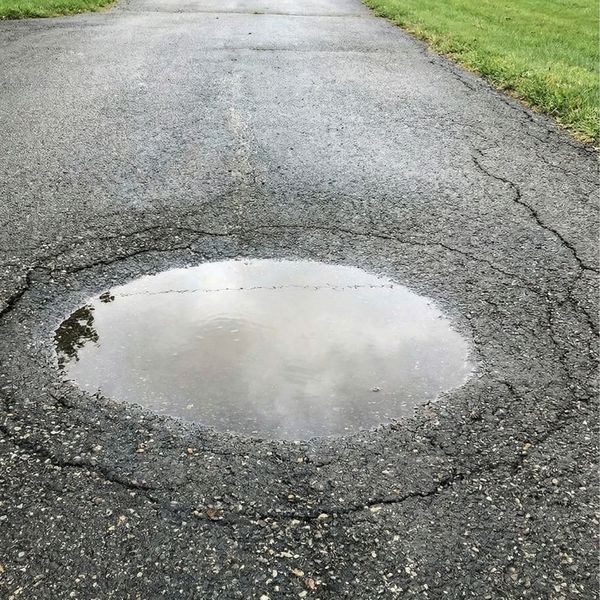
Standing Water and Poor Drainage
Puddles that linger days after a rainstorm are a clear signal that your driveway has sunken areas or grade issues. In winter, these pools turn into dangerous ice patches that threaten both vehicles and pedestrians. Furthermore, the standing water deteriorates the asphalt binder, accelerating erosion. We recommend correcting these drainage problems immediately to prevent moisture from compromising the structural integrity of the entire pavement during the freeze.
Existing Potholes Are Visible
A small pothole today will inevitably become a massive crater after a few hard freezes. Potholes allow water to penetrate deep into the foundation, where the freeze-thaw expansion wreaks havoc. Ignoring these defects ensures you will need extensive winter pothole repair later in the season when conditions are far less favorable. Filling these voids now seals the surface and keeps moisture out of the critical base layers.
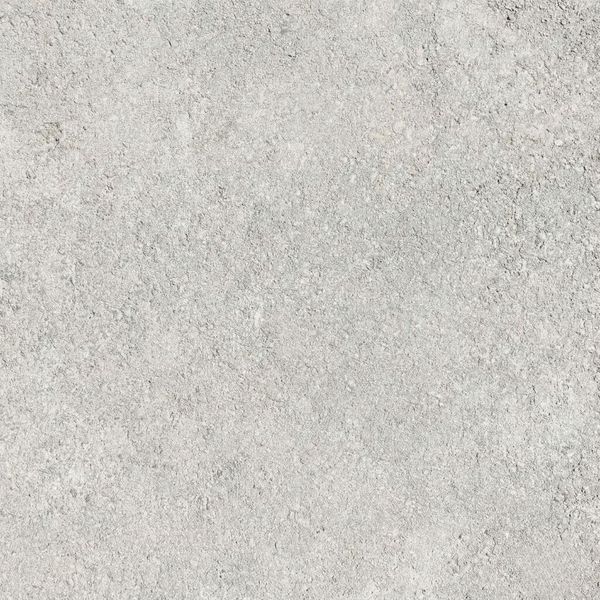
Fading and Graying Asphalt
Deep black asphalt is flexible and rich in oils, but gray, oxidized pavement is brittle and prone to cracking under stress. If your driveway has lost its dark luster, it has also lost its ability to expand and contract with temperature changes. Applying a seal coat is a vital part of asphalt maintenance for winter, restoring the binder and providing a protective shield against snow, ice, and chemicals.
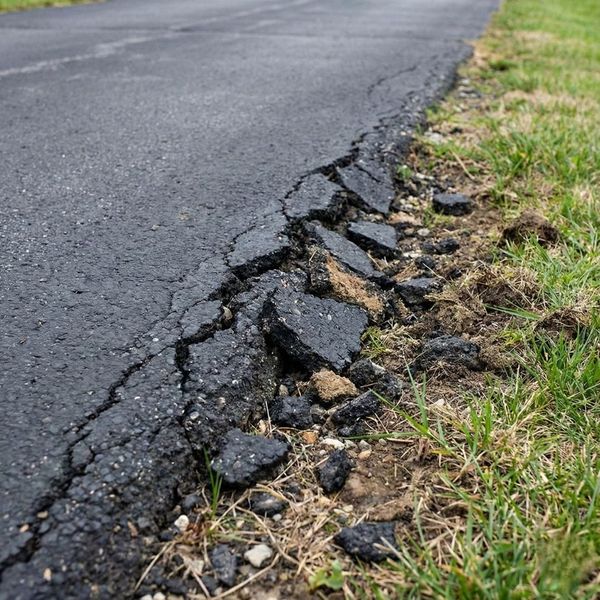
Crumbling or Deteriorating Edges
When the edges of your driveway start to break away, it suggests the support along the perimeter is failing. Snow removal equipment and heavy winter precipitation will rapidly accelerate this decay, narrowing the usable width of your drive. Strengthening these edges often requires professional asphalt paving techniques to ensure the perimeter is robust enough to handle the stress of winter traffic and clearing operations.
Contact us today
Don't let the winter weather turn your driveway into a hazard. By addressing these signs now, we can help you avoid expensive replacements in the spring. At Bracken Paving, we are dedicated to serving homeowners across the Tri-Cities and Southwestern Virginia with honest, high-quality workmanship. Contact us today to schedule an evaluation and secure your pavement for the season ahead.