Maintaining your pavement is the most effective way to extend its lifespan and avoid the high costs of a total replacement. Recognizing these early warning signs allows you to perform timely asphalt maintenance before minor surface issues evolve into deep structural disasters.
6 Warning Signs Your Pavement Needs Professional Maintenance
6 Warning Signs Your Pavement Needs Professional Maintenance
Fading and Gray Appearance
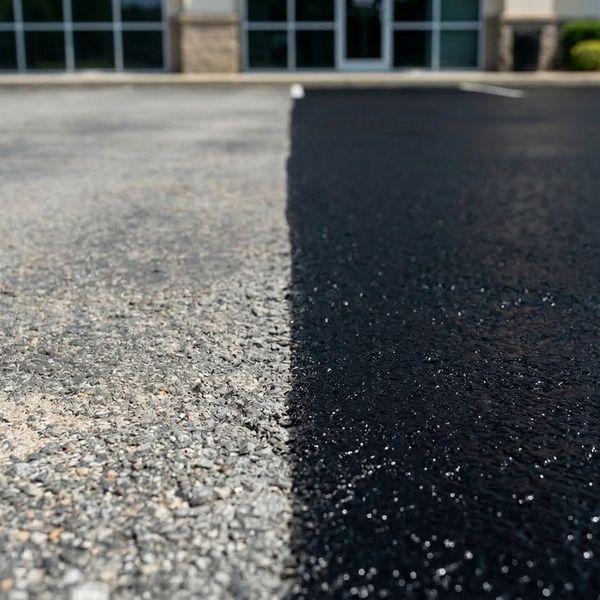
One of the first signs that your asphalt is in trouble is a transition from its original deep black color to a dull, weathered gray. This change indicates significant solar oxidation, a process where UV rays bake out the essential oils that keep the pavement flexible. Once the binder becomes brittle, the surface is far more likely to snap under the weight of vehicles, making a professional sealcoat application necessary to restore protection.
Alligator Cracking Patterns
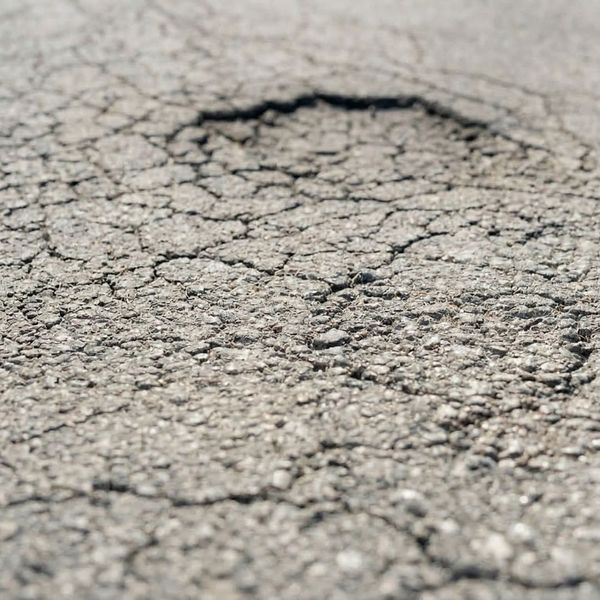
If you notice a network of small, interconnected cracks that resemble the skin of an alligator, your parking lot maintenance is officially overdue. This specific cracking pattern is a red flag for structural fatigue or a failing sub-base that can no longer support the weight of traffic. Ignoring alligator cracks allows water to pour directly into the foundation, which will quickly lead to widespread pavement failure and a much higher repair bill.
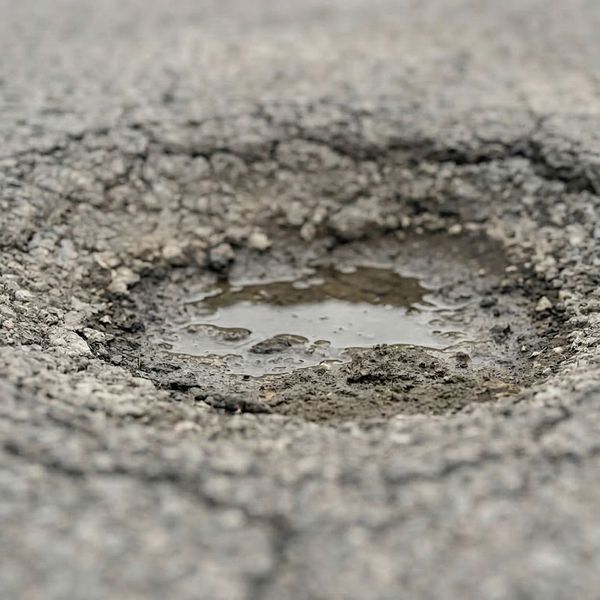
Developing Potholes
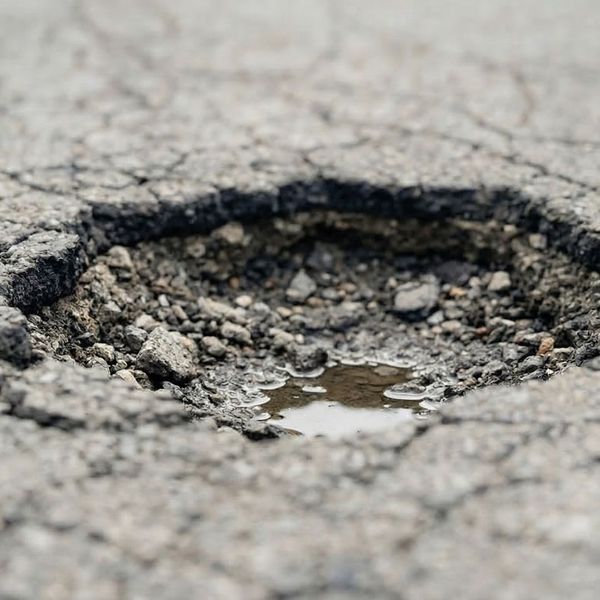
Potholes are more than just an aesthetic nuisance; they are significant safety hazards that create liability for property owners and damage customer vehicles. These holes typically form when water reaches the sub-grade through unsealed cracks and weakens the soil, causing the asphalt above to collapse. Immediate asphalt maintenance, such as infrared repair, is required to "weld" the area back together and prevent the hole from expanding across your entire lot.
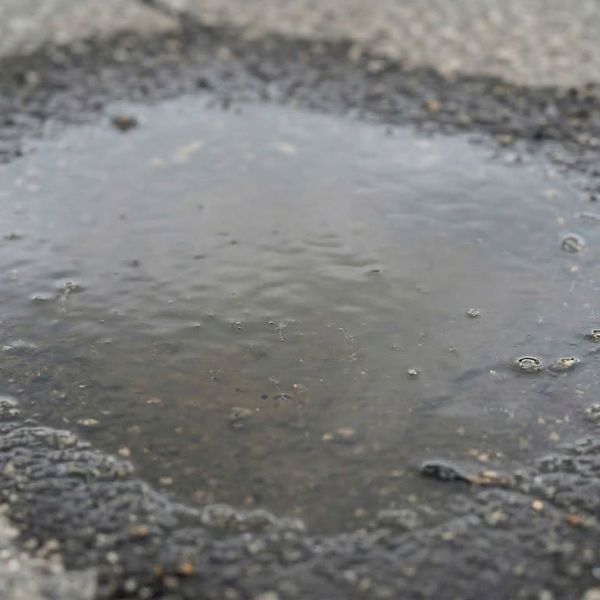
Persistent Standing Water
Water that remains on your pavement long after a Tennessee rainstorm suggests that your lot has poor drainage or a sagging sub-base. Standing water is incredibly destructive because it eventually seeps into the lower layers of the asphalt, causing the foundation to rot and lose its load-bearing capacity. Professional grading or a well-timed patch can redirect this moisture and prevent the catastrophic "sinkhole" effect that occurs when foundations are left saturated.
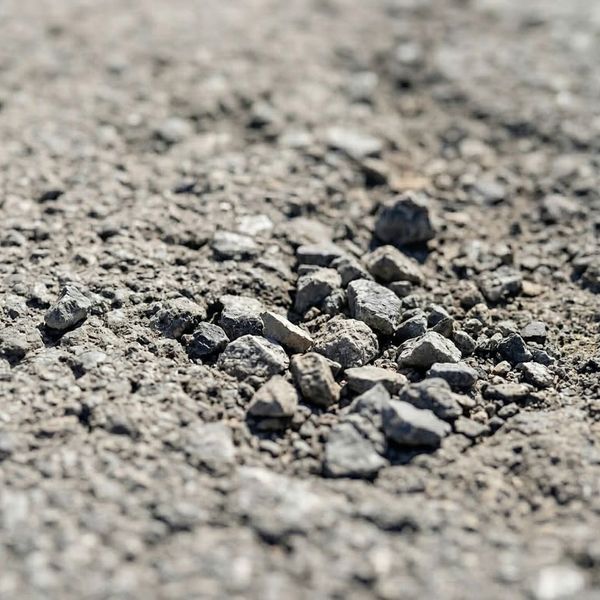
Visible Surface Ravelling
Ravelling occurs when the aggregate, or the small rocks and sand within the mix, begins to pull away from the surface, leaving behind a rough and porous texture. This is a clear indicator that the asphalt binder has failed and can no longer hold the pavement matrix together. If you see loose gravel accumulating on your lot, you need professional intervention to stop the thinning of your pavement before the entire layer disintegrates.
Depressions and Low Spots
Noticeable dips or depressions in your parking lot suggest that the ground underneath has shifted or was improperly compacted during the original installation. These low spots are "potholes in the making" because they collect debris and water that accelerate the deterioration of the surrounding asphalt. A professional assessment can determine if these spots can be leveled with a simple patch or if the sub-grade requires more intensive stabilization.
Schedule Your Professional Assessment
Don’t wait for these warning signs to turn into a total pavement failure that requires a costly and disruptive replacement. Contact Bracken Paving today to schedule a thorough inspection and ensure your Tennessee property stays safe and durable.